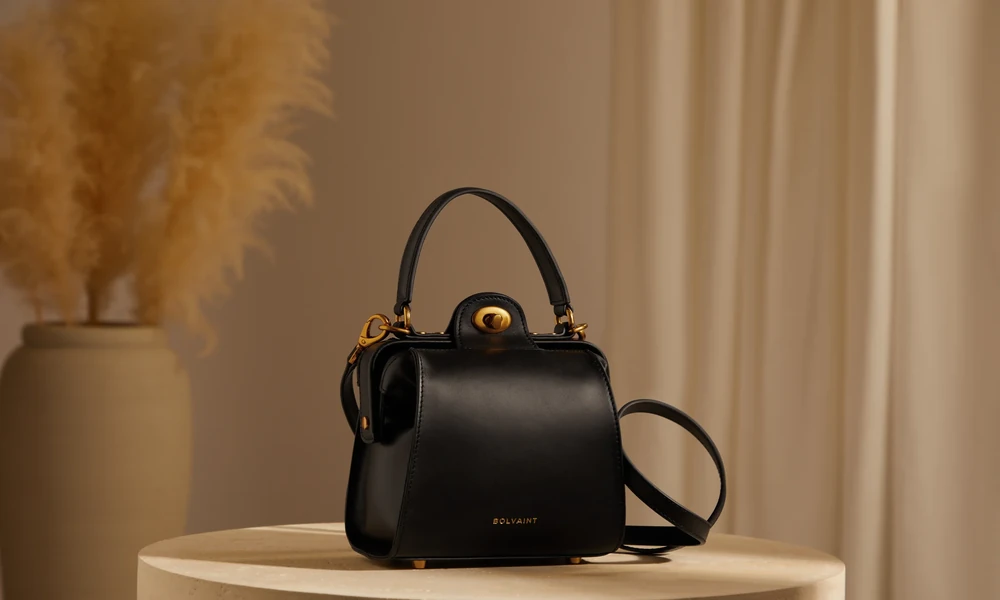
Clothing often changes character through one carefully chosen accessory. A defined silhouette can bring order to relaxed pieces. A shoulder bag offers that structure while keeping carrying practical. Its shape affects proportions, posture, and visual balance. For that reason, selecting the right form requires more thought. Material, strap length, size, and construction all influence coordination. Each detail can guide the overall appearance without overwhelming clothing.
Defined Shapes Bring Visual Balance
Firm construction gives an outfit a clear focal point. Soft fabrics gain definition beside sharper bag edges. Tailored pieces can gain subtle contrast from curved bodies. Rectangular designs work well with straight clothing lines. Rounded forms create softer movement against structured jackets. This relationship makes accessories feel connected to clothing.
A compact design can also suit lighter outfits. Larger forms create stronger balance beside layered pieces. Therefore, size should follow the clothing’s overall volume. Proportion matters more than decoration when creating harmony.
Which Proportions Suit Different Outfits?
Bag proportions influence how the body appears visually. A narrow body creates a cleaner vertical impression. Wider shapes can balance broad jackets or loose trousers. Medium sizes offer flexibility across different dressing styles. Shorter drops keep attention closer to the upper body.
Longer straps create a more relaxed placement. That position can soften sharply tailored clothing. Conversely, shorter straps reinforce a polished silhouette. The choice depends on outfit volume and desired emphasis.
- Short straps reinforce tailored clothing proportions.
- Longer drops create relaxed visual movement.
- Wider bodies balance generous outer layers.
- Compact forms suit cleaner clothing lines.
Material Choices Add Useful Texture
Construction alone does not define the accessory’s character. Surface texture also changes how structure interacts visually. Smooth leather can reinforce crisp edges and clean tailoring. Suede introduces softness against firm geometric construction. Woven finishes provide texture without changing basic proportions.
Material selection becomes especially useful with simple clothing. A textured surface can add interest without extra decoration. Meanwhile, smooth finishes maintain a restrained appearance beside detailed garments. The surrounding wardrobe should guide that decision naturally.
A shoulder bag with firm panels can also retain its shape. That stability helps maintain a composed outline throughout daily movement. As a result, structure becomes useful beyond appearance alone.
Can Strap Details Change The Look?
Straps influence placement more than first impressions suggest. A narrow strap can create a lighter visual line. Wider versions give the accessory greater presence across clothing. Adjustable lengths provide flexibility for different outfit proportions. Chain details can introduce sharper accents around evening pieces.
The right adjustment can change the entire arrangement. A shorter position brings attention toward the waist. A longer setting creates more space around upper garments. These small changes allow one accessory to serve different combinations.
- Shorter lengths suit fitted jackets.
- Extended straps support relaxed dressing.
- Adjustable designs allow varied positioning.
- Mixed materials introduce subtle visual detail.
Structure Supports More Flexible Dressing
A strong body can improve practical organization too. Stable bases help contents remain easier to arrange. Firm sides also prevent excessive collapse during regular carrying. Clean closures preserve the accessory’s defined appearance. These details become valuable during busy daily routines.
Color then shapes the relationship with surrounding clothing. Neutral shades allow broader wardrobe combinations. Darker tones reinforce formal tailoring with little effort. Pale shades create separation against deeper clothing. Still, color should follow proportion rather than replace it.
Texture can support this balance as well. A plain outfit welcomes more surface detail. Detailed clothing often benefits from quieter materials. Such choices keep the complete arrangement visually controlled.
Architectural Shapes Refine Personal Style
A structured accessory can influence an outfit before color does. Earlier details showed how straps alter placement and proportion. Materials then introduced another layer through texture and surface. Together, those choices create a visual framework around clothing. The useful insight lies in restraint rather than decoration. A short strap, firm base, or curved panel can quietly change the complete silhouette. In that sense, structure becomes part of personal styling language.
FAQs
What creates a structured shoulder bag silhouette?
Firm panels, stable bases, defined edges, and shaped bodies create stronger visual structure.
Which outfits suit rectangular bag shapes?
Straight trousers, fitted jackets, and clean tailoring pair naturally with rectangular proportions.
Can structured bags work with relaxed outfits?
Yes, firm shapes can give casual clothing clearer definition without creating excessive formality.
Does strap length affect outfit balance?
Yes, different lengths change placement and influence the body’s overall visual proportions.